Russell Brand
Conspiracy Monetizer
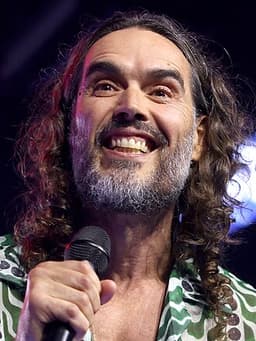
Russell Brand's transformation from mainstream comedian and actor into one of the internet's most prolific conspiracy content creators is a case study in how celebrity can be repackaged for the misinformation economy. Brand had always positioned himself as a countercultural figure, but around 2020, his YouTube channel underwent a dramatic shift from celebrity commentary and philosophical musings to daily videos questioning vaccines, pandemic measures, and mainstream institutional narratives. The pivot was accompanied by an equally dramatic increase in output, engagement, and monetization.
Brand's approach to conspiracy content is more sophisticated than most. He rarely makes direct false claims, instead using a Socratic style of "just asking questions" that allows him to introduce conspiracy narratives while maintaining plausible deniability. His videos feature titles designed to trigger alarm, his delivery is rapid and confident, and the underlying message is consistent: the institutions you trust are lying to you, and Russell Brand is brave enough to tell you the truth. This framework -- fear of mainstream sources combined with trust in the alternative voice -- is the foundation of his monetization strategy.
The business model is built on converting that manufactured distrust into revenue. Brand operates paid subscription communities, sells products, and has migrated much of his content to Rumble, a platform with minimal content moderation where conspiracy content faces fewer restrictions. After YouTube demonetized his channel following sexual assault allegations, the migration to Rumble accelerated, further insulating his operation from the accountability mechanisms of mainstream platforms.
Brand's supporters argue that his content represents a genuine attempt to question official narratives and hold powerful institutions accountable, and that mainstream media dismisses his content as conspiracy theory precisely because it raises uncomfortable questions. His critics argue that his approach to evidence is selective, that his content generates fear without proportionate basis, and that the business model of paid alternative media creates a financial incentive to maximize distrust rather than to pursue accurate information. The debate over Brand's content mirrors broader debates about media trust, institutional credibility, and the responsibilities of influential commentators.