Mike Cernovich
Pizzagate Promoter and Political Misinformation
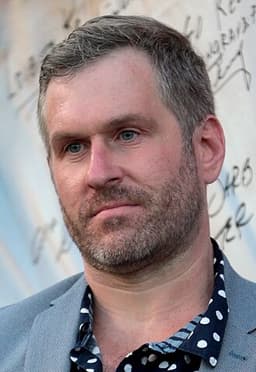
Mike Cernovich is a political commentator, author, and social media personality who became prominent during the 2016 election cycle. He has described his approach as "meme warfare" — using provocative content and social media amplification to shape political narratives. He is among the figures most associated with the spread of the Pizzagate conspiracy theory, which falsely alleged that a Washington, D.C. pizza restaurant was connected to a child trafficking operation involving Democratic politicians. The conspiracy was thoroughly investigated and debunked. In December 2016, a man entered the restaurant and fired a rifle inside; he was arrested without casualties.
During the 2016 campaign, Cernovich circulated claims about Hillary Clinton's physical health on social media, including posts speculating about medical diagnoses. The claims were widely characterized as unsubstantiated by journalists and health professionals. They nonetheless received significant circulation on social media and were picked up by some right-wing media outlets. Cernovich characterized such content as asking legitimate questions that mainstream media refused to investigate.
Cernovich also organized or promoted campaigns to surface old social media posts from journalists and public figures, a practice that drew both supporters who saw it as accountability journalism and critics who argued it was selectively applied to political opponents while similar scrutiny was not applied to allies.
Cernovich has written books on mindset and masculinity, most notably "Gorilla Mindset," and maintains a significant following among people who share his political outlook. He has engaged in documentary work and claims to have been first to report on certain stories involving public figures. His supporters regard him as an unconventional but effective journalist operating outside captured media institutions. His critics argue his most significant contributions to public discourse have been the amplification of conspiracy theories and political misinformation that resulted in real-world harm.