Grant Cardone
Sales Trainer and Real Estate Investor
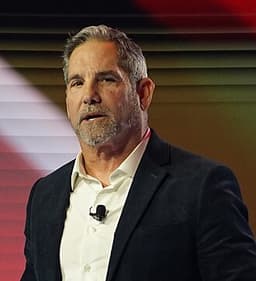
Grant Cardone is a sales trainer, author, and real estate investor who built a substantial media presence and business empire around his "10X" philosophy — the idea that people should set goals ten times bigger than they think reasonable and take ten times the amount of action they think necessary. He has written multiple books, produces extensive content across social media, and runs Cardone Capital, a real estate investment fund that has raised hundreds of millions of dollars from retail investors.
Cardone's coaching and event business charges significant sums — from hundreds to tens of thousands of dollars — for various tiers of access to his training programs, conferences, and consulting. Former customers and critics have argued that the content delivered at high-ticket programs often consists of motivational material that does not justify the premium price compared to what is available in his books and free content. The Better Business Bureau has received complaints about his business practices. Cardone and his supporters dispute these characterizations and point to a large base of customers who report genuine value.
Cardone Capital has attracted investor concerns about fee structures and investor communication. Some investors in his real estate funds raised questions about access to information about their holdings and how projected returns compared to actual outcomes. Cardone maintains that his funds have performed well and that investors have benefited from his real estate expertise. Regulatory filings are public and available through the SEC.
Cardone's marketing style is aggressive and aspirational, using personal displays of wealth — private jets, luxury vehicles, expensive homes — as implicit evidence that his methods work. Critics argue this creates conditions where followers conflate the aspiration with the methodology and spend beyond their means on programs without a clear mechanism for evaluating likely returns. His supporters see the same approach as inspiring proof that ambitious wealth-building is achievable.