TechDamage: 10/10confirmedtheranosfake-technologyinvestor-fraudprison-sentence

Elizabeth Holmes

Theranos Founder Convicted of Investor Fraud
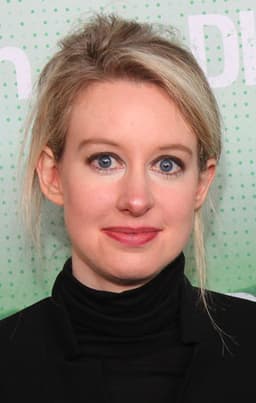
Elizabeth Holmes dropped out of Stanford at 19 to found Theranos, a health technology company she said would revolutionize medicine by running hundreds of blood tests from a single finger-prick sample. She attracted significant venture capital funding, assembled a high-profile board of advisors that included former secretaries of state and defense, and achieved a valuation of nearly nine billion dollars. Holmes was widely celebrated as a rare female founder in Silicon Valley and was featured on the covers of major business publications.

In October 2015, Wall Street Journal reporter John Carreyrou published an investigation revealing that Theranos's proprietary Edison device could reliably perform only a small fraction of the tests the company claimed. For the remainder, Theranos was secretly using commercially available machines from third-party manufacturers while diluting blood samples to accommodate equipment not designed for finger-prick volumes. Former employees and laboratory experts cited in the reporting said the results were unreliable and in some cases clinically dangerous. Theranos disputed the findings at the time.

The SEC charged Holmes in 2018 with defrauding investors, and she settled without admitting wrongdoing. Federal criminal charges followed, and in January 2022 a jury convicted Holmes on four counts of wire fraud against investors. The jury acquitted her on charges related to defrauding patients. Holmes argued throughout the proceedings that she had genuinely believed in the technology and that failures were the result of ordinary startup challenges rather than intentional fraud. In November 2022, she was sentenced to eleven years and three months in federal prison and began serving her sentence in 2023.

The Theranos case prompted widespread discussion about due diligence practices among investors, the role of celebrity board members in lending unearned credibility, and the culture of Silicon Valley startups where projecting confidence is often rewarded over technical transparency.

Incidents

Theranos Blood Testing Technology Fabricated
confirmed
2015-10-15

A Wall Street Journal investigation by John Carreyrou revealed that Theranos's proprietary Edison blood testing device could not perform the vast majority of tests it claimed. The company had been secretly running most samples on conventional machines from other manufacturers.

SEC Charges and Settlement
confirmed
2018-03-14

The SEC charged Holmes with massive fraud for raising more than $700 million from investors through false claims about Theranos technology. She settled without admitting wrongdoing, paying a $500,000 fine and returning shares.

Criminal Conviction
confirmed
2022-01-03

Holmes was found guilty on four counts of wire fraud and conspiracy to commit wire fraud against investors. The jury deliberated for seven days.

Sentenced to Over 11 Years in Prison
confirmed
2022-11-18

Holmes was sentenced to 11 years and 3 months in federal prison for defrauding investors out of hundreds of millions of dollars.

Patterns

Fabricating Technology Capabilities

Claimed Theranos could run hundreds of tests from a single drop of blood when the technology never worked as advertised.

  • Demonstrated fake results to investors and board members
  • Secretly used third-party machines while claiming proprietary technology
  • Published misleading validation data
Cultivating Powerful Allies to Deflect Scrutiny

Stacked the Theranos board with political heavyweights and military leaders who lent credibility but lacked scientific expertise.

  • Board included Henry Kissinger, George Shultz, and James Mattis
  • Used political connections to intimidate whistleblowers
  • Leveraged media relationships for favorable coverage
Intimidating Whistleblowers and Critics

Deployed aggressive legal tactics against anyone who questioned the company's claims.

  • Threatened employees who raised concerns with lawsuits
  • Hired private investigators to follow whistleblowers
  • Sent cease-and-desist letters to journalists

Coverage

Is Elizabeth Holmes a Makey or a Takey?