Kara Swisher
Technology Journalist, Podcaster, and Author
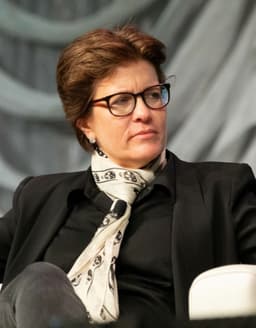
Kara Swisher is a technology journalist who has covered Silicon Valley since the 1990s, initially at The Wall Street Journal and later co-founding AllThingsD and Recode, a technology news outlet that was acquired by Vox Media in 2015. She co-produced the D and Code conferences, which became known for live on-stage interviews with technology executives. She currently hosts the "On with Kara Swisher" podcast and contributes opinion pieces to The New York Times and other publications. She published a memoir, "Burn Book," in 2024.
Her reporting style is characterized by direct questioning and willingness to challenge technology executives on politically sensitive topics including monopoly power, content moderation, and the social effects of technology platforms. Her access to senior technology figures over several decades is substantial, and she has interviewed most major figures in the industry in depth. This long-term access is both a professional asset — enabling candid conversations — and a structural feature of access journalism, where sustained proximity to powerful sources can create implicit dependencies even when individual journalists work to maintain independence.
Some criticism of Swisher comes from within media: the access she has built over decades is partially premised on being an insider in a community she also covers critically, and some journalists argue that her relationships with technology figures inevitably shape what stories get pursued and how sources are treated. She has also been criticized by those who view her coverage as insufficiently critical of certain technology industry figures or insufficiently skeptical of Silicon Valley's claims about disruption and innovation in earlier periods of her career.
Her influence on technology journalism is broadly recognized as significant. She was among the first journalists to cover the internet as a serious business story, and her longevity in the space gives her perspective that few other journalists possess. Her direct interview style and willingness to publicly criticize technology industry practices, including via social media, have made her a distinctive voice in discussions of technology's relationship with politics, media, and society.